From June 5 to 10, 2026, a five-member delegation led by Qiu Leiming, Vice President of ZJIET, was invited to visit Malaysia and Thailand to attend the Third China-Malaysia International Forum on Integration of Industry and Education & the Fifth China-Malaysia Vocational Education Exhibition, as well as the Sixth Executive Working Meeting of the China-Thailand Vocational Education Cooperation "210 Project" and the Second China-Thailand Vocational Education Exhibition. During the trip, the delegation also visited North Kuala Lumpur International College in Malaysia and Thaksina Business Technology College in Thailand, holding talks on cross-border collaborative talent cultivation projects and reaching multiple consensuses.
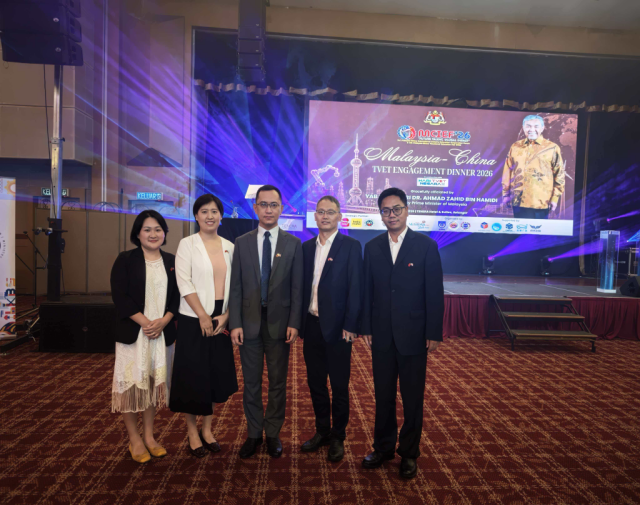
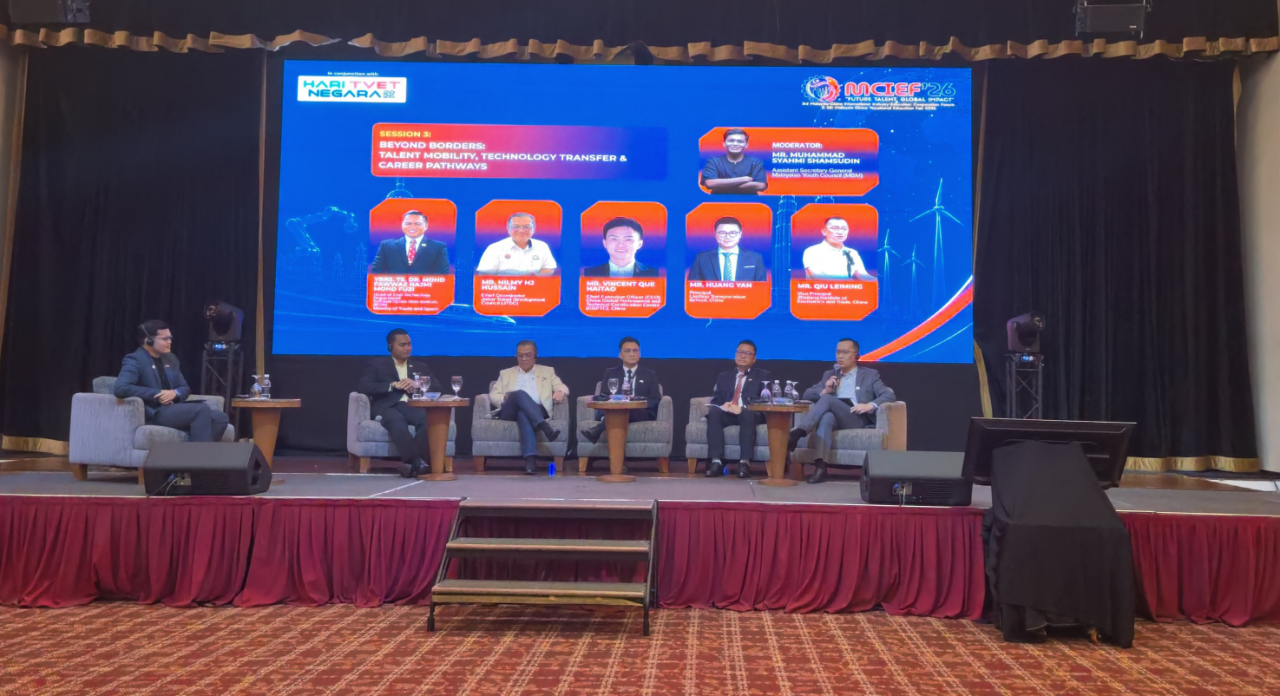
While in Malaysia, the delegation attended the opening ceremony of Malaysia’s National Vocational Education Day 2026 and toured the China-Malaysia Vocational Education Achievements Exhibition. Witnessed by Malaysian Deputy Prime Minister Ahmad Zahid Hamidi, ZJIET officially joined the China-Malaysia E-commerce Industry-Education Integration Community. As a special guest, Qiu Leiming participated in the sub-forum themed "Crossing Borders: Talent Mobility, Technology Transfer, and Career Development Paths," sharing the institute’s experience and practices in vocational education and cross-border exchanges, as well as reflections on the global development of vocational education.
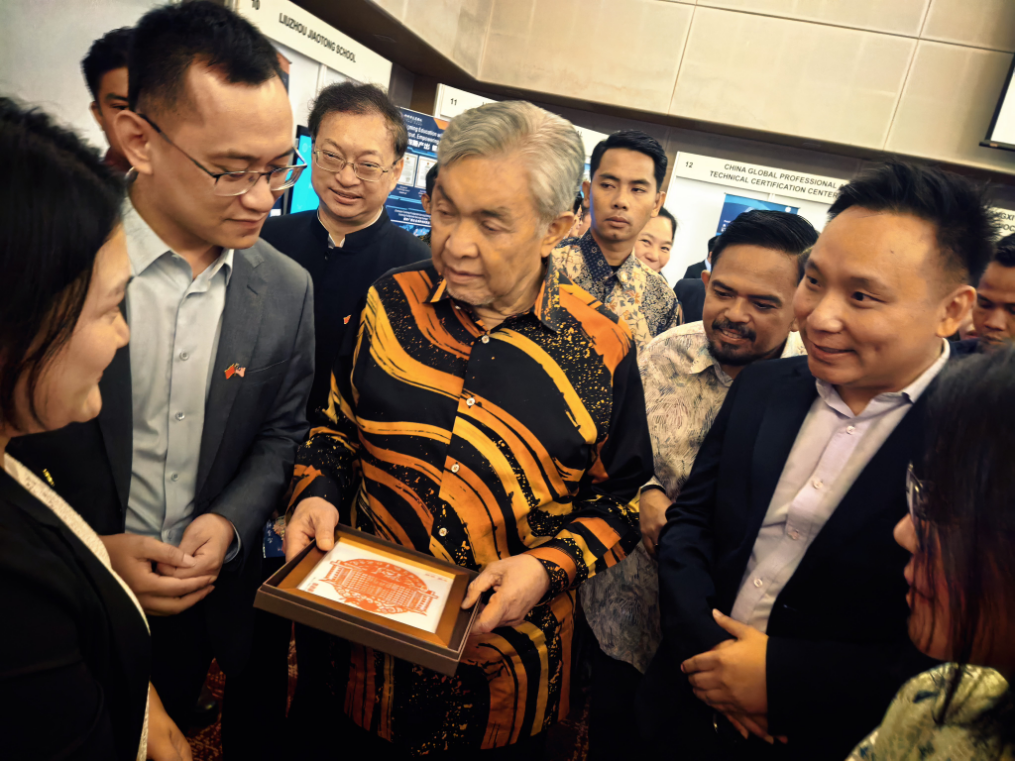
At the China-Malaysia Vocational Education Achievements Exhibition area, ZJIET, as a participating Chinese institution, engaged in comprehensive exchanges with educational organizations from both countries. The delegation briefed Malaysian Deputy Prime Minister Hamidi on the overall operation of the institute and the outcomes of China-Malaysia cooperation.
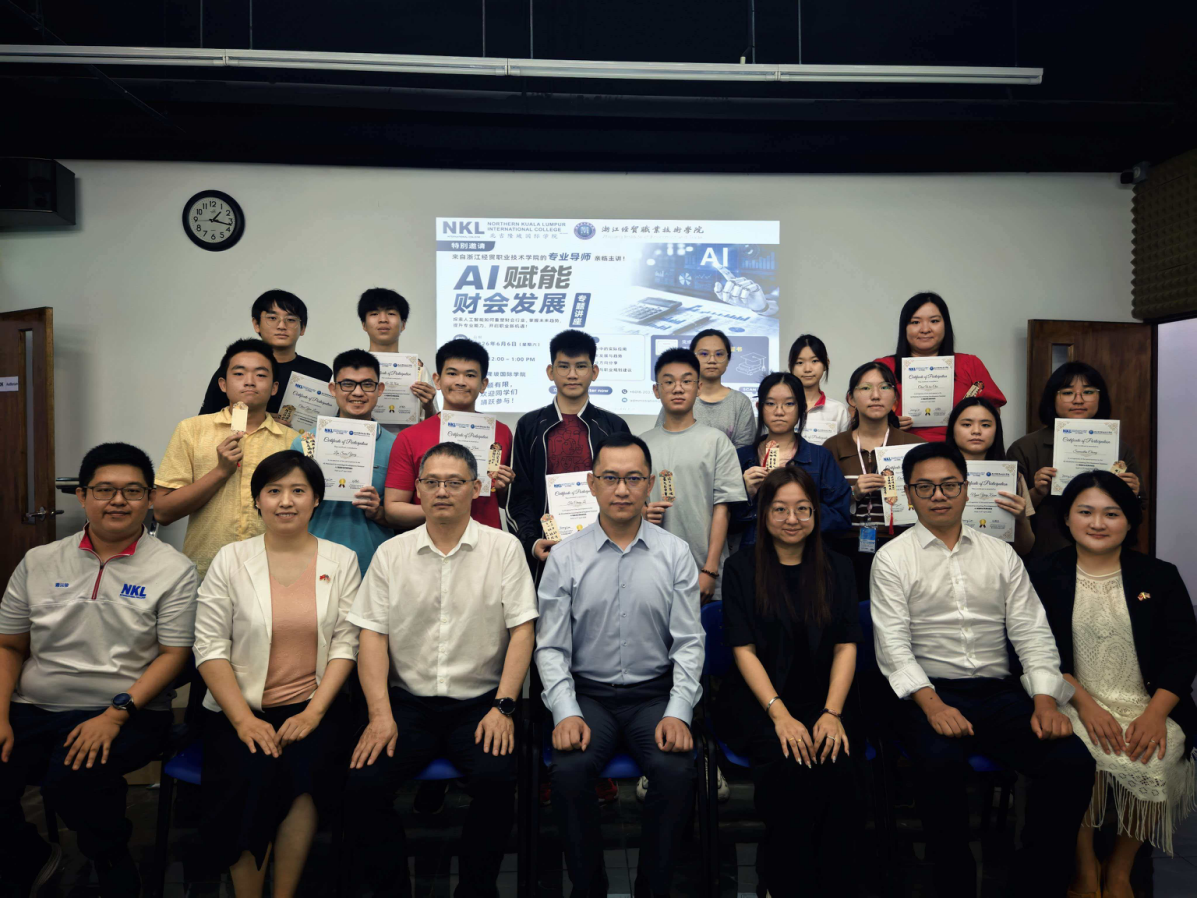
The delegation also visited North Kuala Lumpur International College in Malaysia. The two sides held in-depth discussions on curriculum resource development, enrollment promotion, instructional design, and teacher capacity building, reaching consensus on further deepening collaboration.
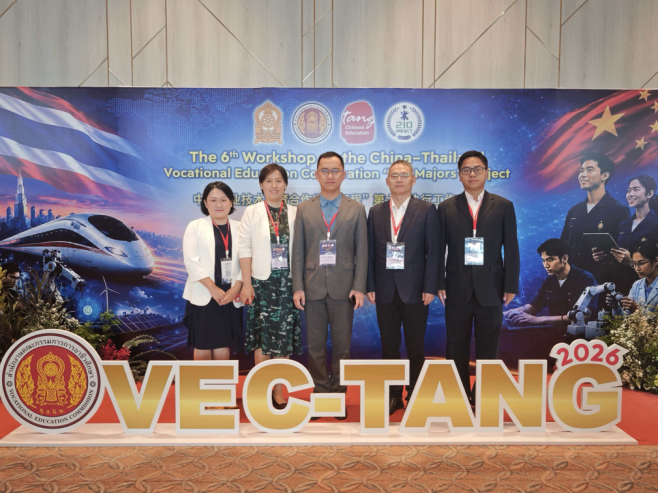
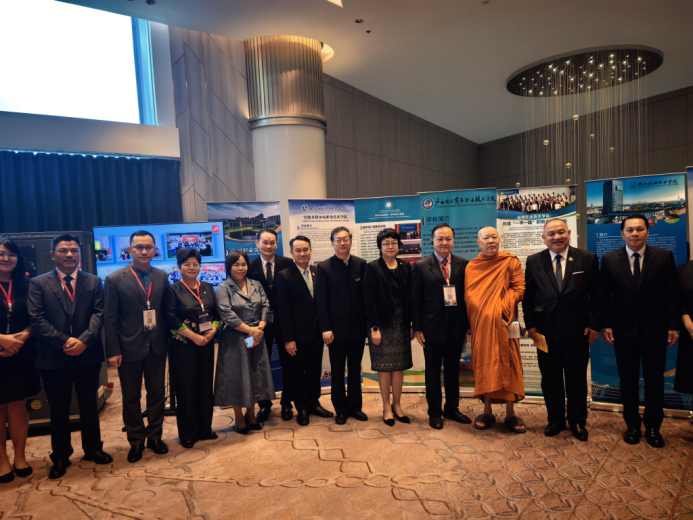
During their stay in Thailand, the delegation attended the Sixth Executive Working Meeting of the China-Thailand Vocational and Technical Education Cooperation "210 Project" and the China-Thailand Vocational Education Exhibition. They introduced the progress and future plans of ZJIET’s China-Thailand vocational education cooperation to Thai leaders, including Somdet Thongchai, Deputy Sangharaja and Chairman of the Board of the Thailand Maritime Silk Road Confucius Institute, and Yossaporn Veenukose, Secretary-General of the Vocational Education Commission of the Thai Ministry of Education.
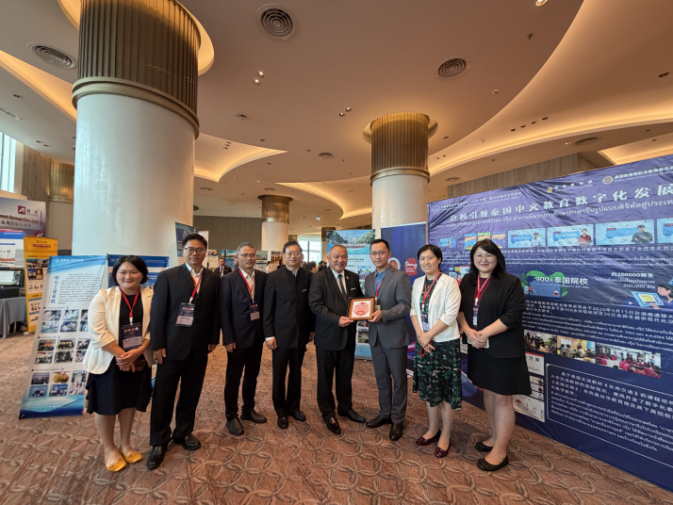
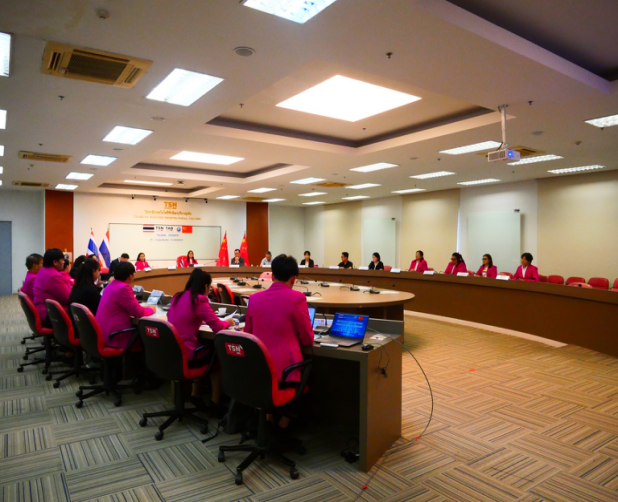
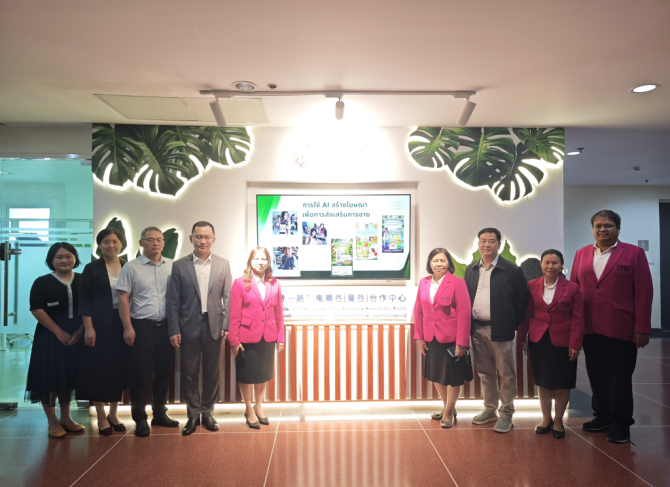
In addition, the delegation visited Thaksina Business Technology College in Thailand and held discussions with Ms. Nongkran Trakulkulwong, Chairperson of the Thai Tech Vocational Education Group, and Ms. Tamon Rujajan, President of Thaksina Business Technology College. The two sides deliberated on issues such as mutual recognition of credits between China and Thailand and the establishment of overseas teaching sites, and made concrete arrangements for sending ZJIET teachers to Thailand for course instruction and for the construction of the Belt and Road E-Commerce Valley (Bangkok) Cooperation Center.
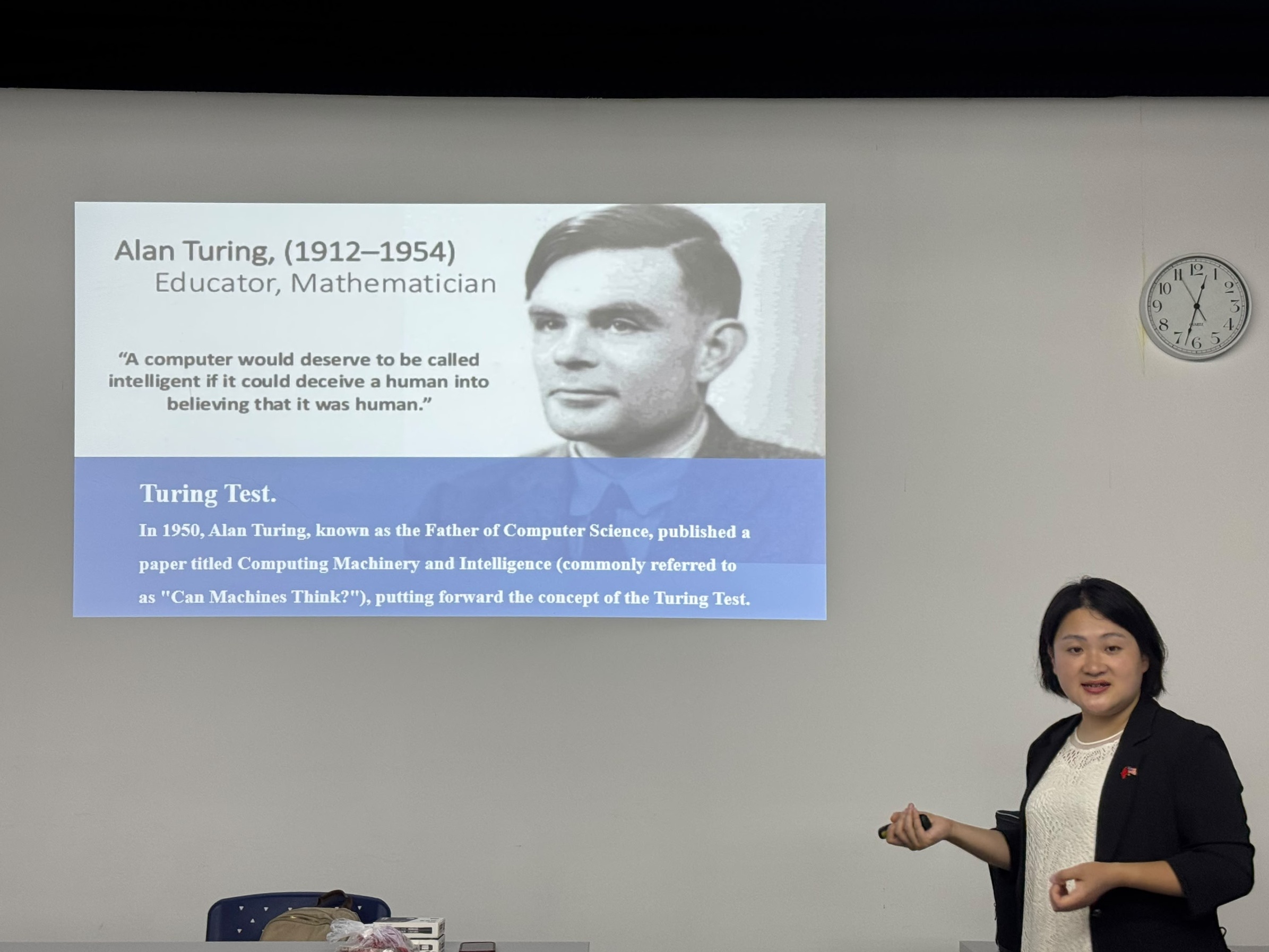
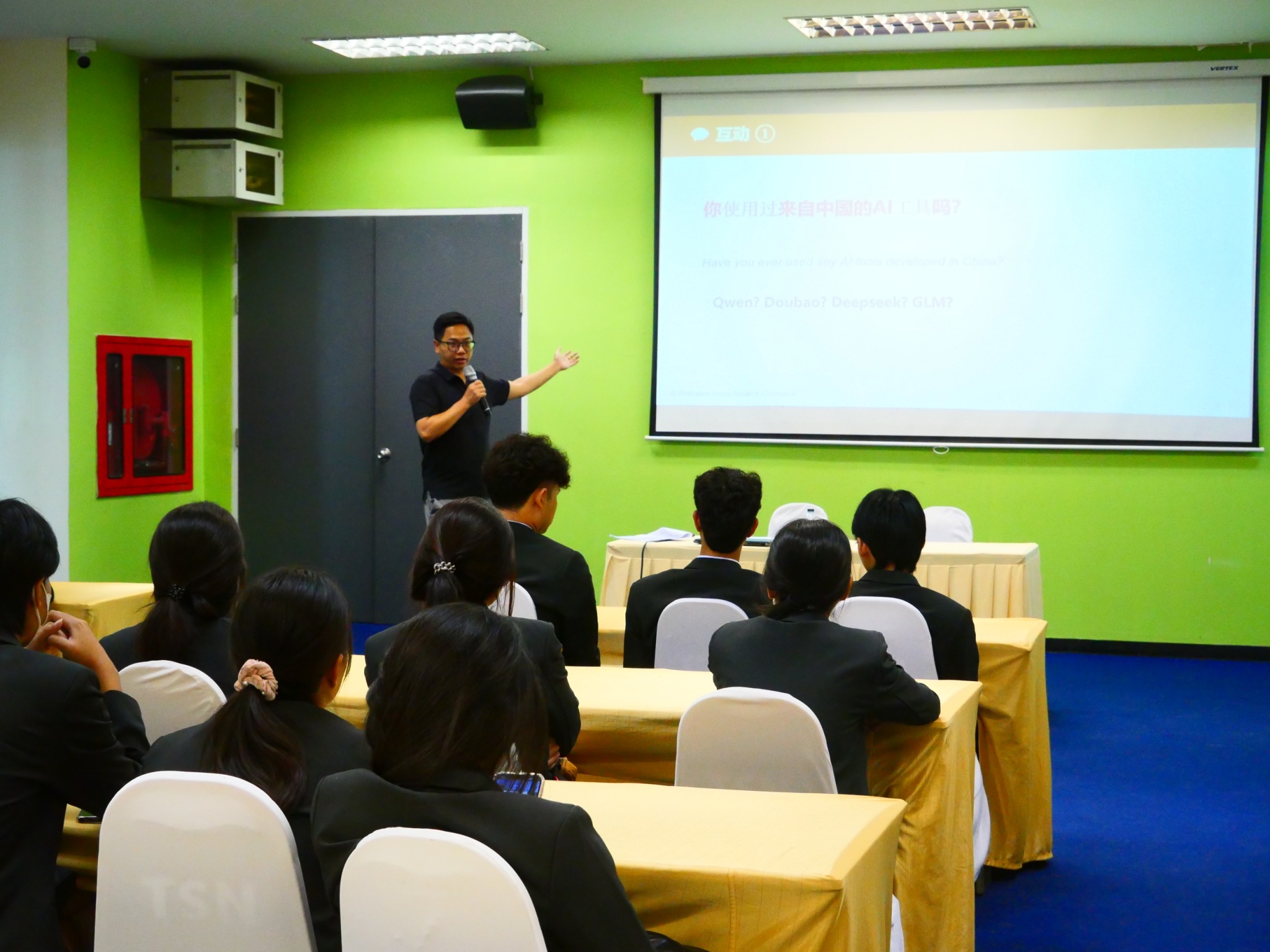
Two teachers from ZJIET conducted two training and exchange sessions for over 70 faculty members and students from North Kuala Lumpur International College and Thaksina Business Technology College respectively, which were highly praised by the foreign participants.
This overseas visit efficiently accomplished multiple tasks, including platform building, project negotiation, achievement exhibition, and training empowerment, further consolidating the regular cooperation mechanism between ZJIET and Malaysia and Thailand. Moving forward, the institute will continue to integrate high-quality vocational education resources, advance the construction of overseas teaching sites in both countries, and enhance its level of openness in vocational education as well as its international influence in the regional vocational education sector.